


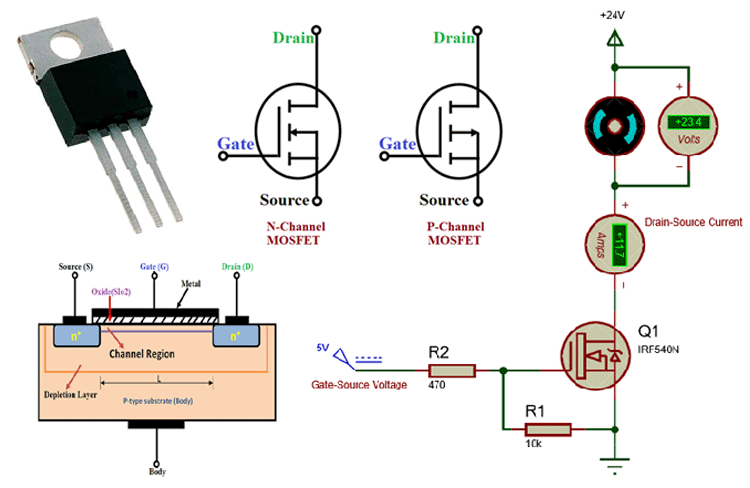
In the intricate world of electronics, the Metal-Oxide-Semiconductor Field-Effect Transistor, more commonly known as the MOS tube, stands as a fundamental and widely utilized device. Its architecture, built upon a metal gate, an insulating oxide layer (typically silicon dioxide), and a semiconductor layer (usually silicon), allows for precise control of electrical current. Notably, the gate is insulated from the source and drain terminals, earning it the alternative name of an insulated gate field-effect transistor.
The magic of the MOS tube lies in its working principle: manipulating the electric field on or within the semiconductor material by adjusting the voltage applied to the gate. This controlled electric field acts like a switch, regulating the flow of current between the source and the drain. When the gate voltage reaches a specific threshold relative to the source, a conductive pathway, or channel, forms within the semiconductor. This channel allows electrons to flow freely from the source to the drain, effectively turning the switch “on.” Conversely, removing or reducing the gate voltage below this threshold disrupts the electric field, collapses the conductive channel, and halts the current flow, turning the switch “off.”
This seemingly simple switching capability of the MOS tube makes it an indispensable component in a vast array of electronic circuits, and its role within battery systems is particularly critical. In these systems, the MOS tube acts as an unsung guardian, performing a multitude of essential functions that ensure the battery’s safe, efficient, and reliable operation.
The MOS Tube: A Multifaceted Protector and Manager
Battery Protection and Management: The MOS tube forms the bedrock of crucial battery protection mechanisms.
- Overcharge and Over-Discharge Prevention: Acting as a rapid electronic switch, the MOS tube vigilantly monitors the battery’s voltage during both charging and discharging cycles. When the voltage approaches or exceeds preset safety limits – indicating a potential overcharge or over-discharge situation – the MOS tube swiftly interrupts the current flow. This immediate cutoff prevents the battery from being pushed beyond its safe operating parameters, thus safeguarding it from potential damage and prolonging its lifespan.
- Short Circuit Defense: In the event of a sudden and dangerous short circuit within the battery system, the MOS tube’s ability to react with lightning speed becomes paramount. Upon detecting an abnormally high current surge characteristic of a short circuit, the MOS tube instantaneously cuts off the current path. This rapid response prevents the uncontrolled flow of electricity from causing further harm to the battery itself, the surrounding circuitry, and potentially even the entire system.
Precise Current Control:
The MOS tube provides a means for finely tuning the flow of electrical current into and out of the battery.
- Regulating Charging Current: During the charging process, the MOS tube can precisely adjust the magnitude of the current being fed into the battery. This control ensures that the battery is charged at an appropriate rate, preventing it from being overwhelmed by excessive current, which could lead to overheating and damage. By carefully managing the charging current, the MOS tube contributes to the battery’s health and longevity.
- Governing Discharge Current: Similarly, the MOS tube plays a vital role in controlling the current drawn from the battery during discharge. By regulating the discharge current, it helps maintain the battery’s stability throughout the discharge process. This controlled energy release contributes to a more consistent power output and helps extend the overall lifespan of the battery by preventing excessive strain.
Indirectly Monitoring Battery Status:
While not a direct sensor, the MOS tube provides valuable information about the battery’s operational state through indirect measurements.
- Voltage Assessment: By continuously monitoring the voltage across its own terminals, the MOS tube allows the system to indirectly infer the voltage status of the battery itself. This voltage reading provides insights into whether the battery is currently being charged, discharged, or is in a resting state. This information is crucial for the overall management of the battery system.
- Current Tracking: By measuring the current flowing through it, the MOS tube enables real-time monitoring of the battery’s charging or discharging current. This continuous tracking ensures that the battery is operating within its safe current limits, preventing potentially damaging overcurrent conditions.
Enhancing Energy Efficiency:
The intelligent application of MOS tubes contributes significantly to energy conservation and overall system efficiency.
- Intelligent System Integration: When seamlessly integrated with a sophisticated Battery Management System (BMS), the MOS tube becomes a key component in achieving intelligent control over the battery’s operation. The BMS analyzes various battery parameters, and the MOS tube acts as the executioner, adjusting charging and discharging strategies in real-time based on the battery’s actual condition and the system’s demands. This dynamic control optimizes energy usage and improves the battery’s overall efficiency.
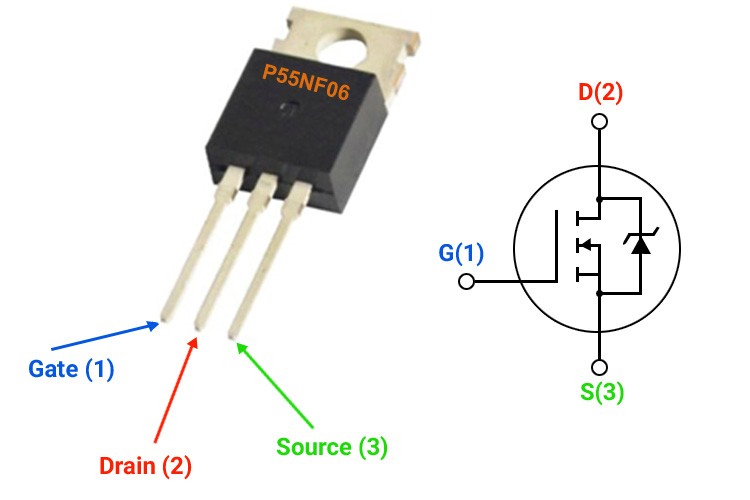
- Minimizing Power Loss: A crucial characteristic of the MOS tube is its exceptionally low leakage current when in the “off” state. This minimal current leakage translates to reduced parasitic power consumption within the battery system, helping to conserve energy and maximize the usable power stored in the battery.
Bolstering System Security and Reliability:
The strategic use of MOS tubes enhances the overall safety and dependability of the entire battery system.
- Isolating Faults: Within a complex battery system, individual cells or circuit components can occasionally fail. In such scenarios, MOS tubes can be employed as fault isolation elements. Upon the detection of a fault in a specific part of the system, the MOS tube can rapidly cut off the current flow to that faulty section. This isolation prevents the fault from propagating to other healthy parts of the system, ensuring continued operation of the remaining components and enhancing overall system reliability.
- Facilitating Thermal Management: While not primarily designed for heat dissipation, MOS tubes possess a certain capacity to withstand and disperse the heat generated by the battery system to a limited extent. By contributing to the management of thermal energy, they indirectly improve the overall reliability of the system by preventing excessive temperature buildup that could harm other components.
In conclusion, the MOS tube is far more than just a simple switch within battery systems. It is an indispensable component that acts as a vigilant protector, a precise current controller, an indirect status monitor, an energy efficiency enhancer, and a contributor to overall system security and reliability. The careful selection and intelligent implementation of MOS tubes are fundamental to maximizing the performance, safety, and lifespan of modern battery systems, making them a cornerstone of efficient and dependable energy storage solutions.