


In Australia’s scenic Yarra Valley, a quiet revolution is underway. Sodium-ion batteries are demonstrating their capability to provide stable power to residential buildings and commercial businesses, marking a significant step towards a more sustainable future for energy storage. This development highlights a broader global shift, as the world searches for alternatives to the ubiquitous lithium-ion battery.
Lithium batteries have undeniably transformed modern life, enabling everything from portable electronics to electric vehicles. Their impact on how people live, work, and connect is profound. However, the environmental footprint associated with their production, particularly the extraction of lithium, and the complexities of their recycling processes, have brought forth undeniable challenges. This growing awareness has spurred intense research and development into next-generation battery technologies.
A global competition is now in full swing, with researchers, startups, and established technology companies vigorously pursuing cheaper, more environmentally friendly, and safer alternatives to lithium-ion batteries. The race is on to discover the “new generation of battery king,” and several promising contenders are emerging sodium-ion, solid-state, and lithium-sulfur batteries.
Sodium-ion Batteries: The Abundant Newcomer
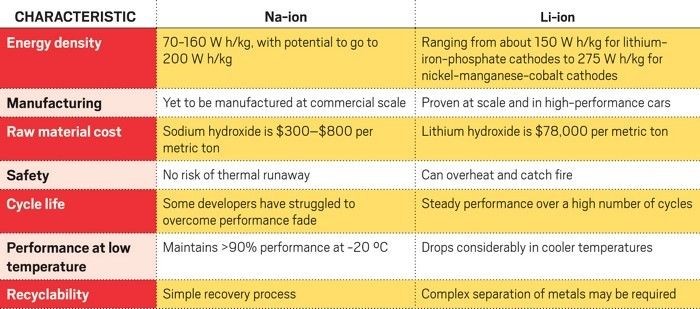
Among the frontrunners, the sodium-ion battery is rapidly gaining traction. These batteries leverage sodium, a material far more abundant globally than lithium, found in vast quantities in seawater and the Earth’s crust. This abundance translates directly into lower material costs and a significantly reduced environmental impact during extraction. For instance, reports indicate that extracting one ton of lithium requires 682 times more water than extracting one ton of sodium. Furthermore, sodium-ion batteries can utilize more cost-effective materials, such as aluminum foil for the current collector, in place of the more expensive copper foil typically used in lithium-ion batteries.
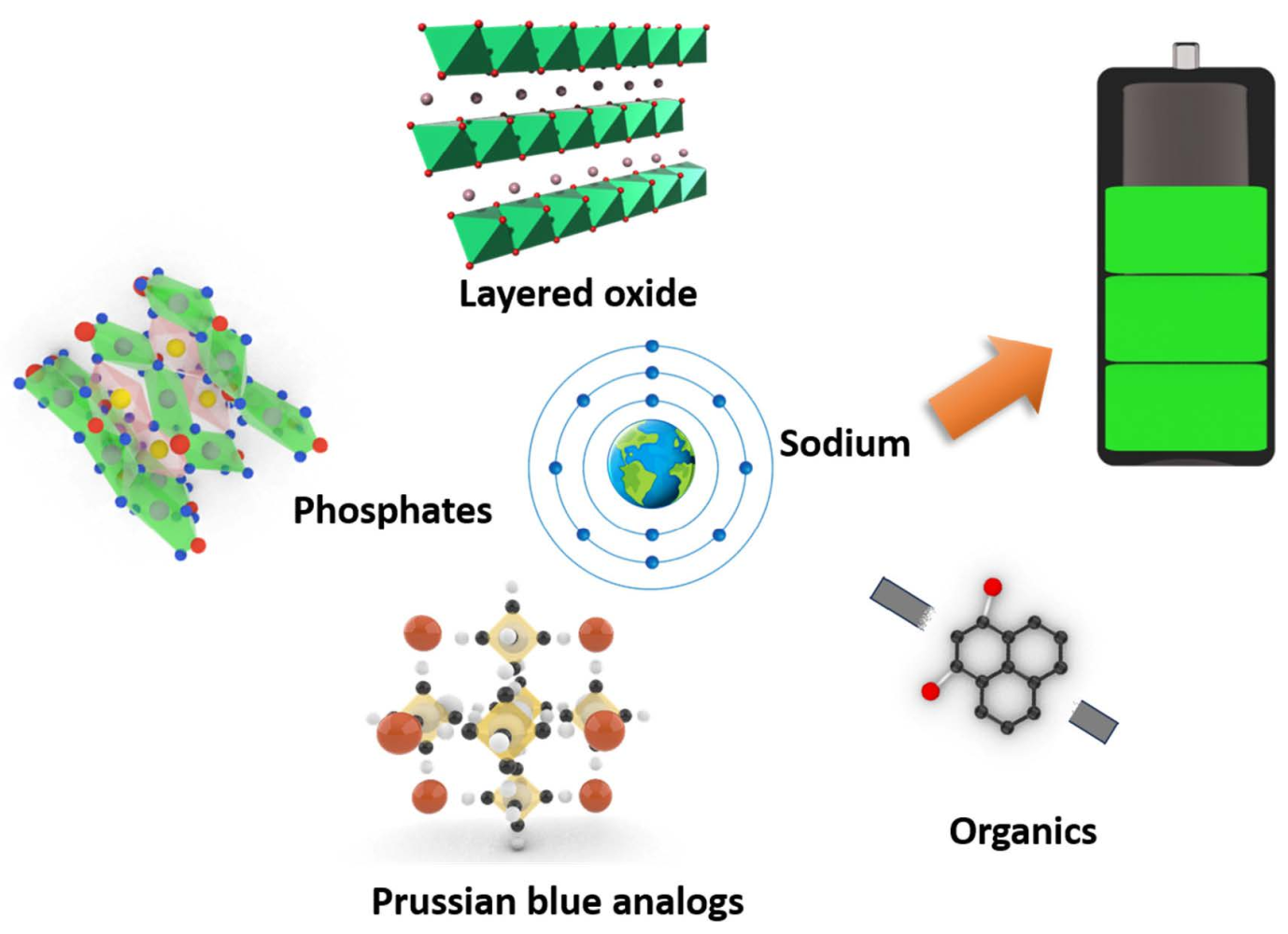
The transition from lithium-ion to sodium-ion battery production is also seen as remarkably feasible. Experts in electronic materials and corrosion science suggest that existing lithium-ion battery manufacturing facilities could be adapted with only slight modifications to produce sodium batteries. This compatibility implies that the scale of sodium battery production could be expanded rapidly, facilitating a quicker market entry.
Beyond cost and sustainability, sodium-ion batteries offer a significant safety advantage: they can be completely discharged to zero volts without damage. This characteristic makes them inherently safer during storage and transportation, reducing the risk of thermal incidents and flammability.
However, this rising star is not without its limitations. Its primary disadvantage is a lower energy density compared to lithium-ion batteries. While lithium-ion batteries typically offer an energy density between 150-220 Wh/kg, current sodium-ion batteries range from 140-160 Wh/kg. This disparity could impact the driving range of electric vehicles. Additionally, the charging cycle life of early sodium-ion batteries has been shorter, with typical cycles around 5,000, compared to 8,000 to 10,000 for lithium iron phosphate (LFP) batteries. Nevertheless, scientists and engineers are actively working to overcome these issues, with some already achieving impressive results, such as 6,000 cycles with new electrode designs.
Demonstrating their real-world applicability, energy storage power stations utilizing sodium-ion batteries have been deployed, proving their feasibility for large-scale applications. More recently, sodium-powered electric vehicles have also seen successful batch deliveries to users, marking a significant step towards their commercialization in the automotive sector.
Solid-State Batteries: The Game-Changer with a Solid Core
Solid-state batteries represent a paradigm shift in battery architecture, moving away from traditional liquid or aqueous electrolytes to use solid electrolytes. This innovative design fundamentally alters the battery’s safety profile and performance characteristics.
The solid electrolyte effectively mitigates the risk of lithium dendrite formation—a common issue in liquid electrolyte lithium-ion batteries that can lead to internal short circuits and thermal runaway. With their non-flammable solid components, these batteries offer vastly improved safety. Furthermore, solid-state batteries hold the promise of higher energy density and faster charging speeds, making them strong candidates for the future of battery technology, particularly for high-performance applications.
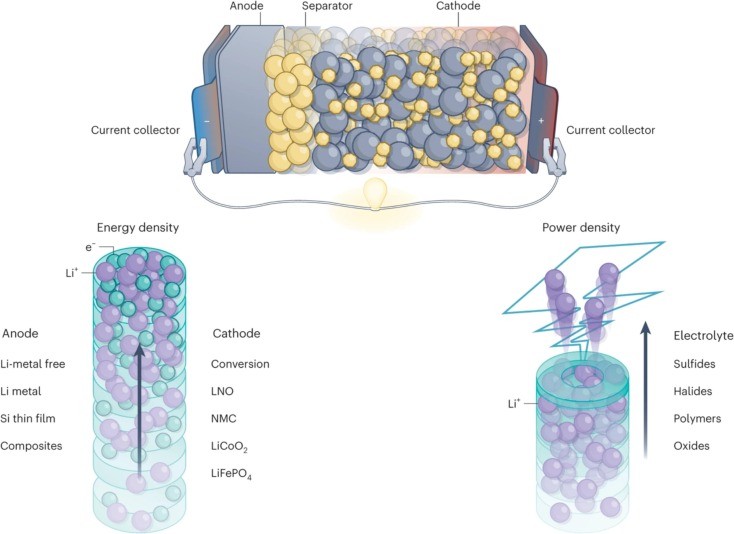
Despite their revolutionary potential, the path to commercialization for solid-state batteries is not without hurdles. Experts point out that scaling up production presents significant challenges, and current manufacturing costs remain higher than those for conventional lithium-ion batteries. Nevertheless, breakthroughs continue to emerge. For example, some solid-state battery designs based on sulfide electrolytes have demonstrated an energy density 50% to 100% higher than modern lithium-ion batteries, with plans for massive production scale-ups in the coming years, aiming to power millions of electric vehicles annually.
Lithium-Sulfur Batteries: The Abundant Energy Source
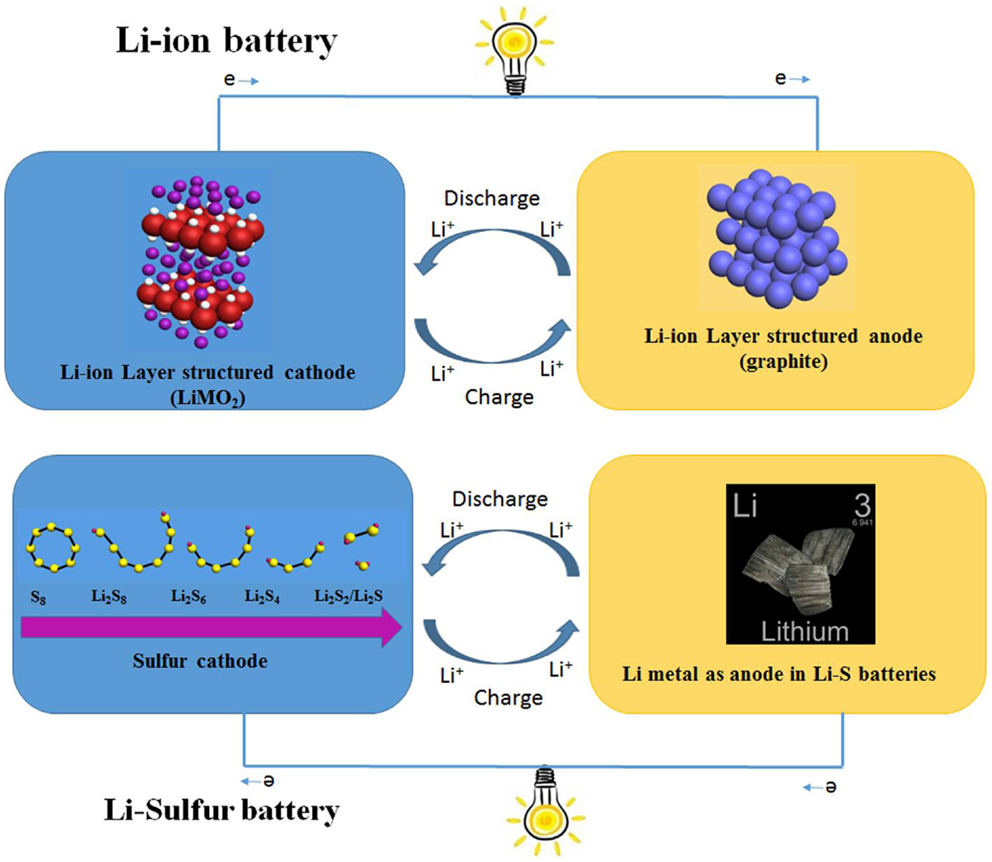
Lithium-sulfur batteries are emerging as another compelling “rising star” in the sustainable energy landscape, distinguished by their unique material combination. While sharing a similar fundamental structure to lithium-ion batteries, they utilize sulfur as the cathode material. Sulfur is incredibly abundant in the Earth’s crust, often available as a byproduct of natural gas processing and oil refining, making its extraction less resource-intensive and more sustainable.
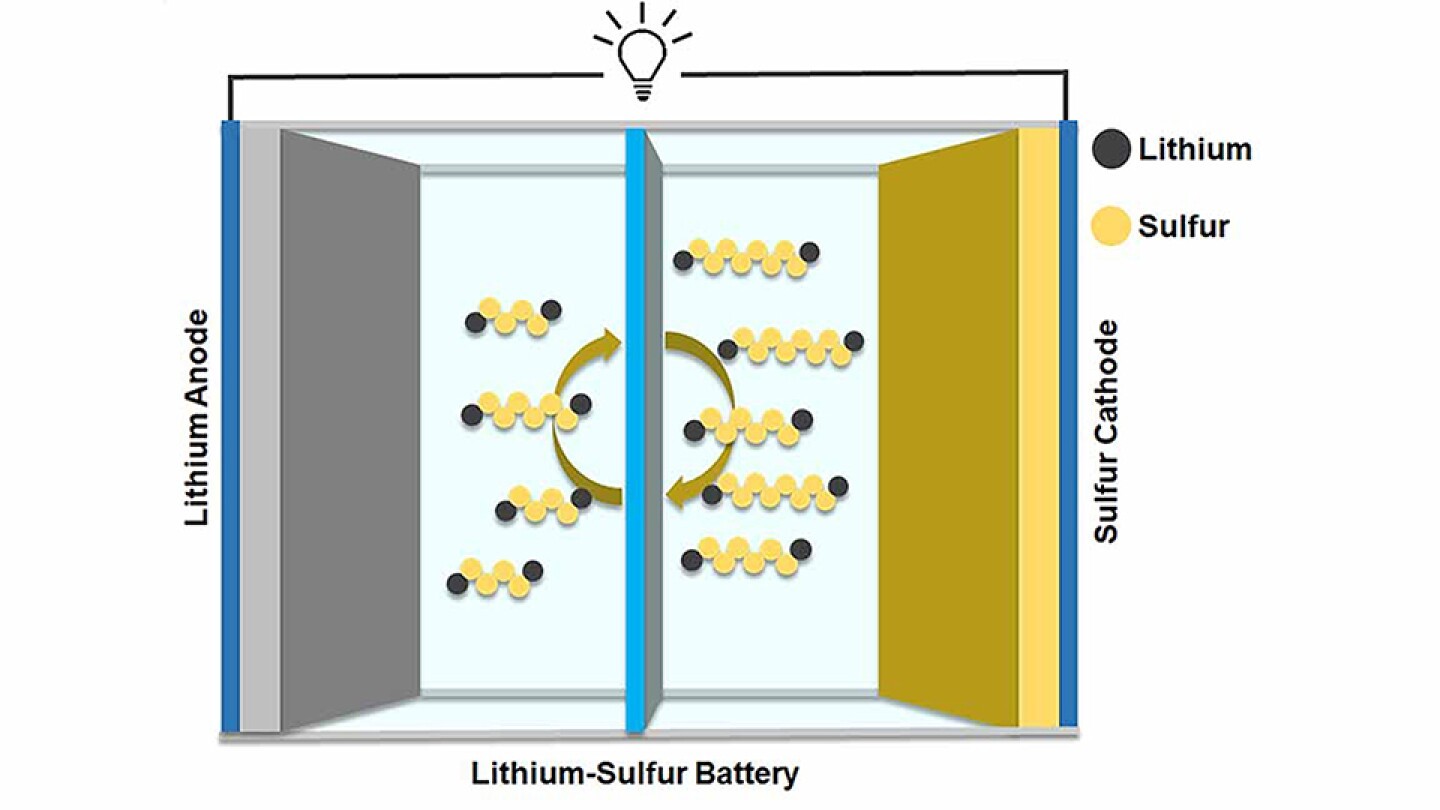
The most striking advantage of lithium-sulfur batteries is their theoretical energy density, which can be significantly higher than that of lithium-ion batteries—potentially even nine times greater. This immense energy potential means they could generate substantially higher power for a given weight, making them ideal for applications where lightweight, high-capacity power is paramount, such as in aviation or long-range drones. While improvements in their charging capacity and cycle stability are still needed for widespread adoption, their potential for applications like grid storage and aerial vehicles has garnered widespread recognition. Early successes include successful tests of drones powered by lithium-sulfur batteries, and aggressive plans by major battery manufacturers to mass-produce these batteries with enhanced performance in the near future, along with startups actively exploring their introduction into the electric vehicle market.
A Diversified Future for Energy Storage
The array of new technologies challenging the dominance of lithium batteries underscores a crucial realization: there is no single, universal solution to replace lithium-ion batteries across all applications. Instead, the future of energy storage will likely be characterized by a diversified battery technology landscape.
As experts highlight, the goal isn’t to replace lithium in every single battery, but rather to strategically deploy the right battery technology in the right place. For example, sodium-ion batteries, with their cost-effectiveness and safety, might excel in stationary grid storage or certain electric vehicle segments where energy density is less critical than cost and robustness. Solid-state batteries, with their high energy density and safety, could be ideal for premium electric vehicles and advanced electronics. Lithium-sulfur batteries, offering ultra-high energy density, might find their niche in specialized high-power applications like drones or future-generation electric aircraft.
This diversification ensures that the world can leverage the unique strengths of each battery chemistry to meet the varied demands of a rapidly electrifying world, paving the way for a more resilient, sustainable, and efficient energy future.