


The coating process stands as a pivotal stage in the creation of lithium batteries. It involves the precise and uniform application of specially formulated slurries onto thin metallic foils, typically aluminum for the positive electrode and copper for the negative electrode. This coating forms the functional layers that enable the battery to store and release energy, making it a critical determinant of the final battery’s capacity, internal resistance, lifespan, and safety.
1. The Essence of Coating Process in Lithium Battery Manufacturing:
At its core, the coating process is a sophisticated method of applying liquid materials in controlled layers onto a substrate. In the context of lithium battery production, this technique is essential for creating the battery’s core components – the positive and negative electrodes. The uniformity and quality of this coating directly translate into the overall performance and reliability of the finished battery.
2. Methods of Application:
Two primary techniques are employed for coating lithium battery electrodes:
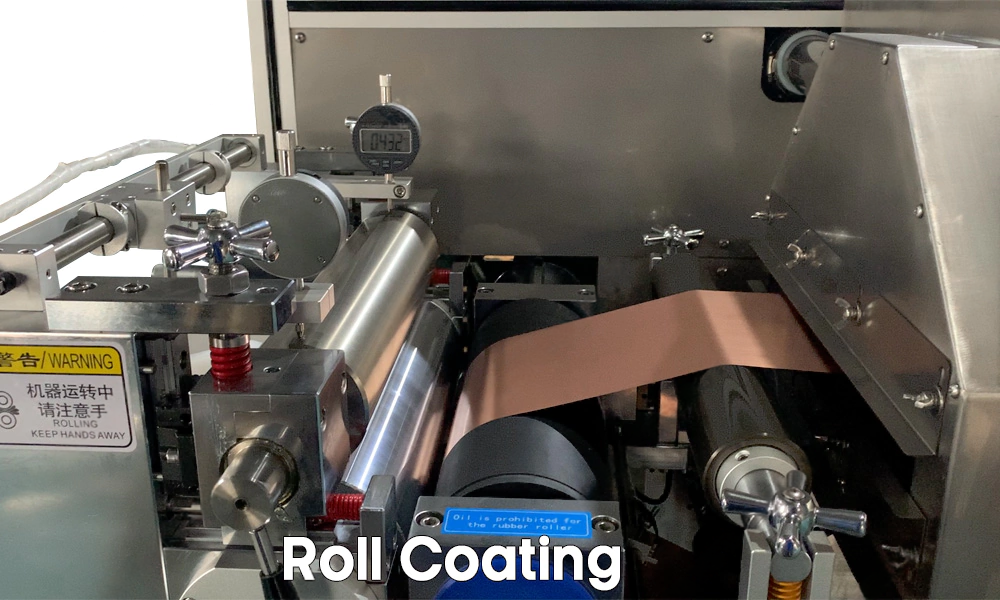
- Roller-Based Transfer Coating: This method utilizes a rotating roller to pick up the electrode slurry. The amount of slurry transferred is carefully regulated by the gap between a precision blade and the roller. As the roller continues to turn, it deposits the slurry onto the moving foil substrate, which is supported by another roller. This technique is well-suited for slurries with lower viscosity and for achieving thinner coatings.
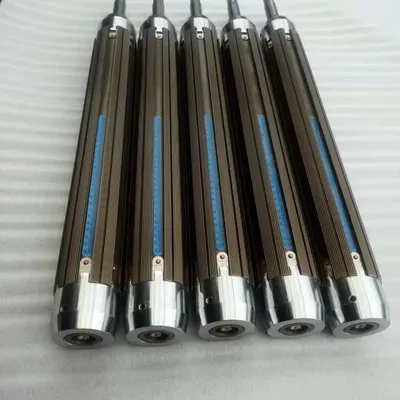
- Slit Extrusion Coating: In this method, the electrode slurry is forced through a narrow opening (the slit) in a coating die under controlled pressure and flow rate. The slurry emerges as a thin film and is directly applied to the moving substrate. Slit extrusion coating offers advantages such as faster coating speeds, high accuracy in controlling the wet film thickness, and the ability to create uniform coatings. It also minimizes the risk of contamination and boasts a high utilization rate of the slurry. This method is particularly effective for slurries with higher viscosity and allows for the application of multiple layers if needed.
3. The Sequential Steps of Coating Process in Lithium Battery Manufacturing:
The lithium battery coating process typically involves a series of meticulously executed steps:
- Equipment Readiness: Before commencing the coating operation, a thorough check of the environment, including temperature and humidity, is conducted. The gas supply to the equipment is verified, and the overall operational status of the machinery is confirmed.
- Simulation Run: To ensure the equipment is functioning correctly, a simulated coating operation is performed without actual slurry or foil. This allows for a preliminary check of the system’s mechanics and controls.
- Foil Loading: The metallic foil substrate (aluminum or copper) is carefully positioned and secured onto the unwinding mechanism of the equipment. It is then manually guided through various rollers and alignment guides to prepare it for the coating station.
- Parameter Setting and Initiation: Based on the specific production requirements, parameters such as coating speed and oven temperature for drying are programmed into the equipment. The backing roller is then manually started to feed the foil into the drying oven. The foil continues its path through additional rollers and tension control mechanisms.
- Pre-Coating Adjustments: Several crucial adjustments are made before the actual coating begins. This includes selecting the appropriate settings on the control panel, adjusting the tension of the moving foil, ensuring proper alignment, activating hot air for initial heating, connecting the slurry supply lines, loading the slurry material, and calibrating the liquid level sensors.
- The Coating Application: With all parameters set and the equipment ready, the coating process is initiated. The slurry is applied to the moving foil according to the pre-defined settings, and the quality of the wet coating is continuously monitored.
- Preparation for Second-Side Coating: For double-sided coatings, the foil needs to be prepared for the application of slurry on the reverse side. This may involve puncturing or connecting the foil as required by the equipment. The gaps between the coating roller and the backing roller are re-verified, and the process parameters for the second side are set.
- Second-Side Application: The coating process is repeated on the second side of the foil. Following this application, the first coated piece is carefully inspected to ensure it meets the required quality standards.
- Equipment Cleanup: Once the production run is complete, a thorough cleaning of the coating equipment and the surrounding work area is performed. Finally, the power and gas supplies to the machinery are turned off.
4. The Impact of Coating on Battery Performance:
The coating process significantly influences the final performance characteristics of lithium batteries in several key ways:
- Drying Temperature: The temperature at which the coated electrode is dried is critical. Insufficient drying can leave residual solvents, hindering battery performance. Conversely, excessively high temperatures can cause the coating to crack or detach from the foil substrate.
- Coating Density: The amount of active material coated per unit area directly affects the battery’s capacity. Too little coating can result in a battery that doesn’t meet its specified capacity, while excessive coating can lead to material waste and potentially pose safety risks.
- Coating Dimensions: The size and thickness of the coated area are also crucial. Incorrect dimensions can lead to incomplete coverage of the positive electrode by the negative electrode within the battery cell, negatively impacting performance. Similarly, coatings that are too thin or too thick can disrupt the subsequent electrode rolling process during battery assembly.
5. Potential Coating Imperfections and Their Origins:
During the coating process, various imperfections can arise, such as uneven coating thickness (thick at the beginning and thin at the end, or thicker edges), dark spots, a rough surface texture, or even areas where the metallic foil is exposed. These defects can stem from several factors, including inconsistencies in the properties of the electrode slurry, insufficient precision of the coating equipment, or incorrect settings of the coating process parameters. To minimize these imperfections and ensure high-quality coatings and production yields, stringent control over slurry properties, equipment precision, and process parameters is essential.
In conclusion, the lithium battery coating process is a vital and intricate step in the overall manufacturing of these energy storage devices. By carefully selecting the appropriate coating method, meticulously controlling the process parameters, and actively working to minimize coating defects, manufacturers can produce high-quality, high-performance lithium batteries that meet the demanding requirements of modern applications.