

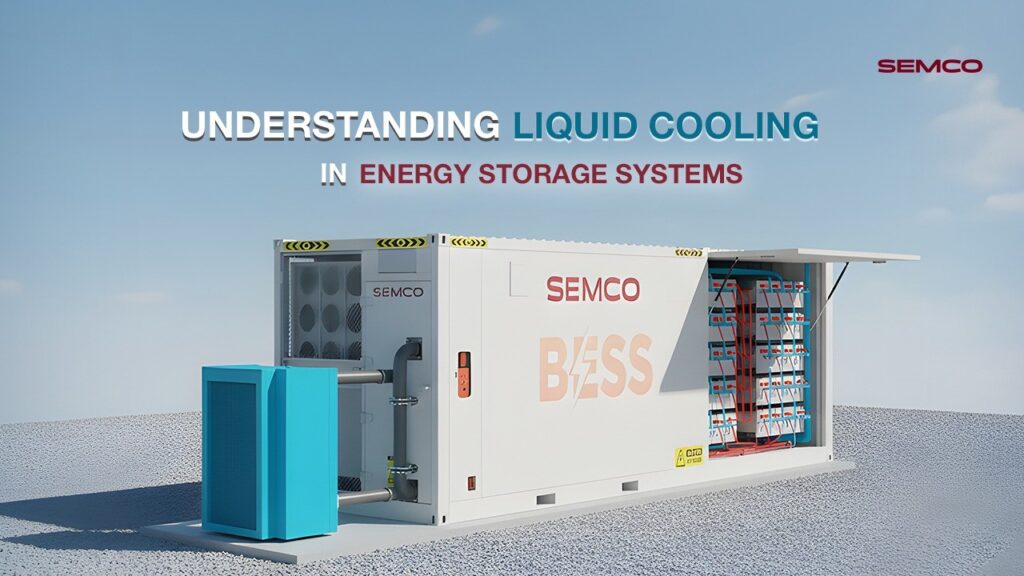
The Role of Liquid Cooling
Liquid cooling is a critical technology for managing the thermal profile of energy storage systems, especially large-scale battery systems. By effectively dissipating heat generated during charging and discharging cycles, liquid cooling helps to:
- Improve Battery Life: Elevated temperatures can accelerate battery degradation. Efficient cooling helps extend the lifespan of the battery.
- Enhance Performance: Optimal operating temperatures ensure peak performance, including higher energy density and faster charging/discharging rates.
- Prevent Thermal Runaway: Excessive heat can lead to thermal runaway, a dangerous condition where the battery cells overheat and potentially catch fire.

Factors Affecting Cooling Unit Selection
The selection of a liquid cooling unit depends on several factors:

- Battery Cell Chemistry: Different battery chemistries (e.g., lithium-ion, sodium-ion) have varying heat generation characteristics.
- Battery Configuration: The number of cells, their arrangement, and the overall system design influence the thermal load.
- Operating Environment: Ambient temperature and humidity can impact the cooling requirements.
- Charge and Discharge Rates: Higher charge and discharge rates generate more heat.
- Cooling Fluid: The choice of cooling fluid (e.g., water, glycol) affects the cooling efficiency and system complexity.

Key Considerations for Liquid Cooling Unit Selection:
- Cooling Capacity: The cooling unit must be capable of removing the heat generated by the battery system under various operating conditions.
- Flow Rate and Pressure: The cooling fluid must be circulated at an adequate flow rate and pressure to ensure effective heat transfer.
- Reliability and Durability: The cooling unit should be designed to withstand harsh operating conditions and minimize maintenance requirements.
- Energy Efficiency: The cooling system itself should consume minimal energy to avoid reducing the overall efficiency of the energy storage system.

Future Trends in Liquid Cooling
As energy storage systems continue to evolve, advanced liquid cooling techniques are being developed to improve performance and efficiency. These include:
- Immersion Cooling: Submerging the battery cells in a dielectric fluid to provide direct cooling.
- Phase Change Materials: Utilizing materials that absorb and release heat during phase transitions (e.g., solid to liquid) to regulate temperature.
- Advanced Thermal Modeling: Using sophisticated simulation tools to optimize cooling system design.

By carefully considering these factors and adopting advanced cooling techniques, energy storage systems can operate reliably and efficiently, contributing to a sustainable energy future.