

Electric vehicles (EVs) rely on the storage and release of electrical energy. Ensuring the safety of this process is crucial. Pre-charging circuits play a vital role in this by gradually increasing the current before connecting the battery pack to other high-voltage components.
Here’s how pre-charging works:
- Protecting the Battery: Directly connecting a high current to the battery can damage it. Pre-charging slowly ramps up the current, preventing this and extending battery life.
- Avoiding Sparks and Damage: Sudden current changes can cause sparks and damage electrical components. Pre-charging prevents this by gradually increasing the voltage.
The Role of Supercapacitors:
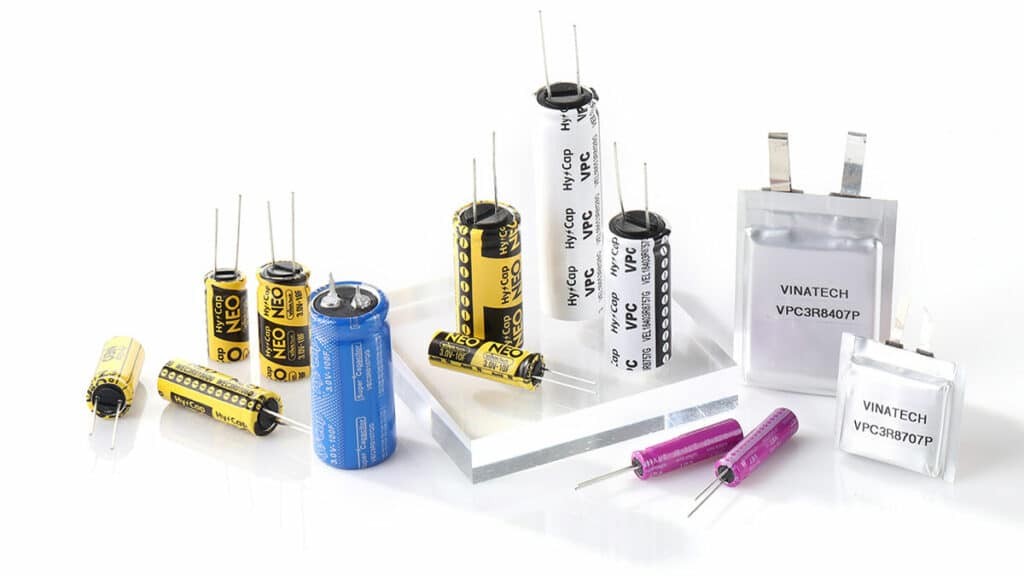
Supercapacitors are small components within the motor controller. They help the motor run smoothly and efficiently by buffering current flow. However, directly connecting a supercapacitor to high voltage can damage it due to its short-circuit characteristics.
The Pre-Charging Process:
- Auxiliary Relay: The process starts with closing the auxiliary relay, which allows a limited current flow.
- Pre-Charging: This current flows through a resistor, slowly increasing the voltage across the supercapacitor.
- Main Positive Relay: Once fully charged, the voltage difference between the capacitor and the battery pack disappears. This allows safe closure of the main positive relay without generating sparks.
Benefits of Pre-Charging:
- Protects circuits from high current damage
- Ensures stable operation at high voltages
- Extends battery life
- Improves overall safety
Pre-Charging in Geely Geometry (Example):
Geely Geometry incorporates pre-charging during both discharging and charging for enhanced performance and safety. Their system utilizes two pre-charge relays and resistors for optimal battery protection.

Pre-Charging in High-Voltage Discharge and DC Fast Charging:
- Discharge: Pre-charging ensures the capacitor in the high-voltage line is charged before discharge begins, preventing sparks and protecting the main positive relay.
- Fast Charging: Pre-charging stabilizes the circuit before initiating charging, preventing excessive current from the charging station and potential damage.
Conclusion:
Pre-charging is not actual charging; it’s a crucial safety measure for both charging and discharging in EVs. It enhances battery life, optimizes charging efficiency, and contributes to the reliable operation of electric vehicles.