


In the complex architecture of a new energy vehicle, where high-voltage electricity powers propulsion and ancillary systems, one component stands as a critical intermediary: the High-Voltage Power Distribution Unit (PDU). Often operating behind the scenes, the PDU is the central hub for managing the formidable electrical current flowing from the power battery, distributing it judiciously to various high-voltage electrical consumers while simultaneously safeguarding the entire high-voltage network. Understanding its intricate functions, constituent components, and inherent safety mechanisms is key to appreciating the robust and reliable operation of modern electric vehicles.
The PDU: A Central Nervous System for High Voltage
At its core, the PDU serves as the power distribution device for the vehicle’s high-voltage electrical system. Its primary responsibility is to take the high-voltage electricity generated by the power battery and meticulously distribute it to all the high-voltage electrical equipment throughout the vehicle. This includes vital components such as:
- Drive Motors: The heart of the electric powertrain, receiving high-voltage power to propel the vehicle.
- Electric Compressors: Essential for the air conditioning system, ensuring passenger comfort.
- PTC Heaters: Critical for thermal management, providing cabin heating and, significantly, preheating the battery pack itself.
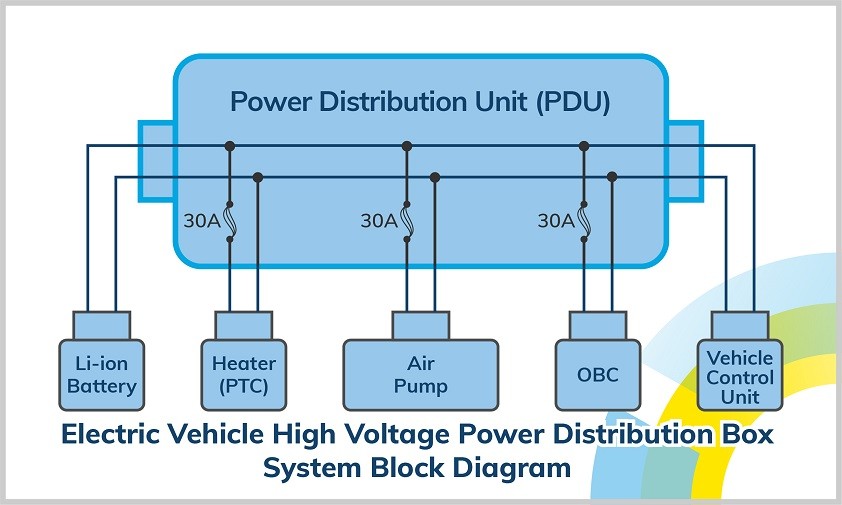
Beyond mere distribution, the PDU is also a vigilant guardian of the high-voltage circuit. It incorporates sophisticated protection mechanisms designed to prevent overload, short circuit, and other electrical faults that could compromise safety or damage components.
Internally, the PDU is a carefully engineered assembly of specialized components, each playing a crucial role in its operation. These typically include:
- High-Voltage Relays: These act as electrically operated switches, allowing the PDU to safely connect or disconnect various high-voltage circuits. They are crucial for controlling power flow to different systems as needed.
- High-Voltage Fuses: These sacrificial devices provide critical overcurrent protection. In the event of an electrical fault that causes current to exceed a safe limit, the fuse will melt and break the circuit, preventing damage to other components and mitigating safety risks.
- BMS Main Control Modules: While the Battery Management System (BMS) primarily resides with the battery pack, a control module within the PDU often communicates directly with the main BMS. This allows the PDU to receive vital information about battery status and health, enabling it to make informed decisions about power distribution and protection.
- High-Voltage Interlocking Devices: These are sophisticated safety mechanisms designed to prevent accidental contact with energized high-voltage components. They ensure that high-voltage circuits are de-energized before technicians can access them.
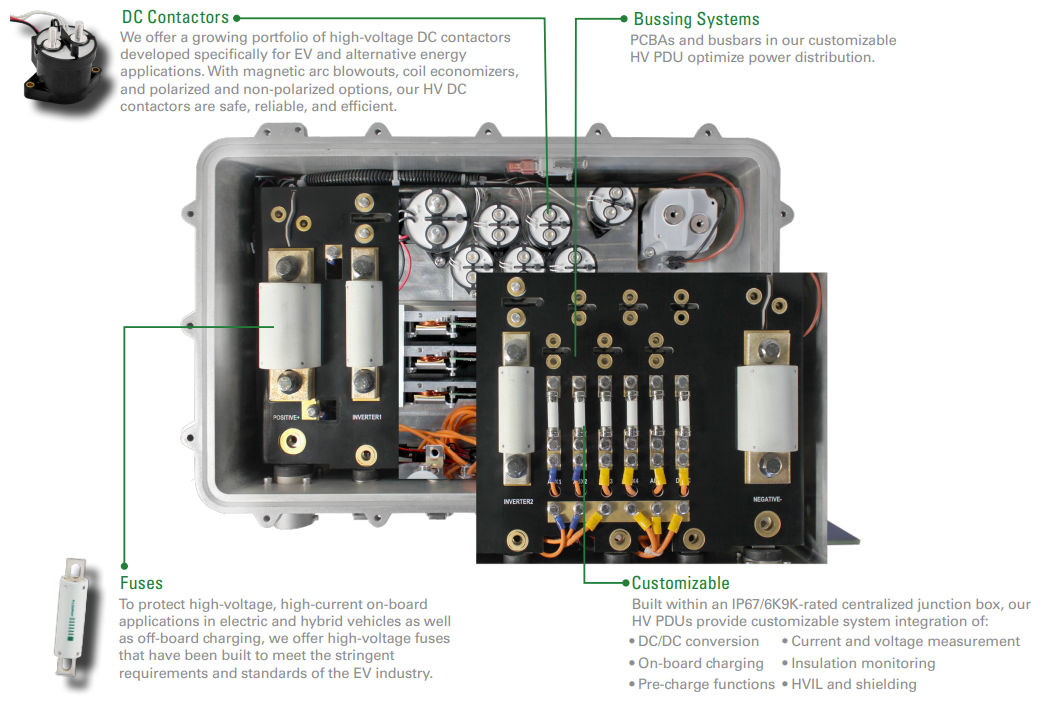
The seamless operation of the PDU is achieved through a meticulous arrangement of its internal circuit connections and control logic. This internal intelligence ensures that power is routed efficiently, safely, and only when and where it is needed.
Beyond Propulsion: Key Ancillary Systems and Safety Mechanisms
While the primary focus of high-voltage power distribution is propulsion, the PDU also plays a vital role in powering essential ancillary systems that enhance comfort and extend the lifespan of key components.
The Role of the PTC Heater
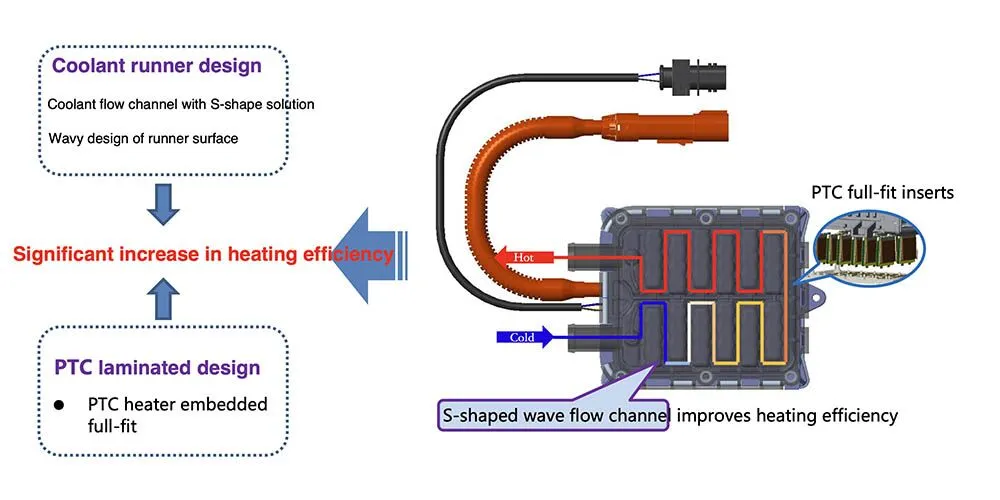
One notable high-voltage consumer is the PTC (Positive Temperature Coefficient) heater. This heating element utilizes the unique characteristics of a positive temperature coefficient thermistor. In simple terms, as electric current passes through the PTC element, its electrical resistance naturally increases with rising temperature. This intrinsic property allows it to generate heat, fulfilling a dual purpose within the vehicle:
- Cabin Heating: Providing warmth and comfort for the occupants, especially crucial in electric vehicles where traditional engine waste heat is absent.
- Battery Pack Preheating: This is a critical function for optimal battery performance and longevity. Lithium-ion batteries perform best within a specific temperature range. In cold conditions, preheating the battery pack improves its efficiency, power output, and charging capability, and significantly reduces the risk of lithium plating, which can permanently damage the battery.
Ensuring Safety: High-Voltage Interlocking Devices
Given the inherent dangers of high-voltage electricity, the vehicle’s high-voltage system is engineered with multiple layers of safety through high-voltage interlocking devices. These mechanisms are broadly categorized into two types:
- Structural Interlocking: This type of interlock is integrated into the physical design of the high-voltage system, specifically within the plugs and covers of electrical boxes. An interlocking circuit runs through these components. If a technician attempts to disconnect a plug or open an electrical box cover while the system is energized, the Vehicle Control Unit (VCU) – often referred to as the central control unit – and other Electronic Control Units (ECUs) immediately detect the change in the interlock circuit. This triggers an instant alarm and, crucially, disconnects the main bus high-voltage circuit. Simultaneously, an active discharge circuit is activated to rapidly drain any residual high voltage from the system, rendering it safe for maintenance personnel. This physical and electrical safeguard prevents accidental exposure to live circuits.
- Functional Interlocking: This type of interlock focuses on preventing hazardous operations under specific conditions. A prime example is when the vehicle is connected to a charging gun or actively charging. In such scenarios, functional interlocks restrict the vehicle from being driven by its own propulsion system. This vital safety feature prevents dangerous situations such as inadvertently driving away with the charging cable still connected, which could lead to severe damage to the charging harness, the charging station, or even the vehicle itself.
In conclusion, the High-Voltage Power Distribution Unit is far more than just a junction box. It is a sophisticated, highly integrated component that acts as the nerve center for high-voltage electricity in new energy vehicles. By efficiently distributing power to crucial systems and deploying multiple layers of advanced safety mechanisms, the PDU ensures the reliable, comfortable, and, most importantly, safe operation of electric vehicles on our roads. It is an unsung hero, silently orchestrating the flow of power that drives the electric revolution.